Location: Kuwait City | Kuwait
The best dining concepts don't introduce a cuisine. They introduce a worldview.
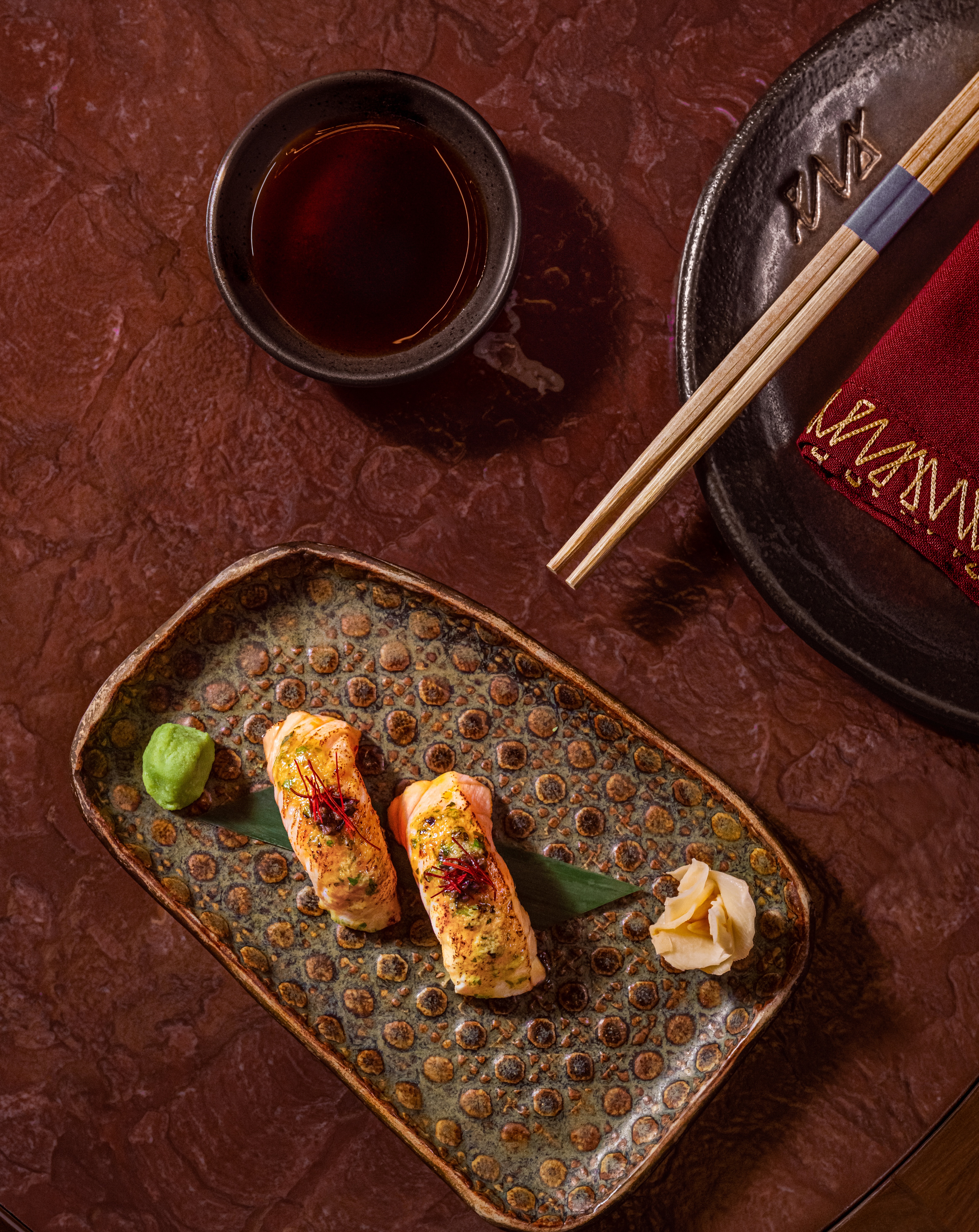
As Kuwait's first Nikkei restaurant, Mizu Mesa is rooted in a culinary tradition born from movement. When Japanese migrants settled in Peru in the late nineteenth century, they brought techniques, rituals and traditions with them. Over generations, those traditions adapted to a new landscape, creating a cuisine that belonged entirely to neither culture, yet remained connected to both.
Nikkei emerged from exchange.
Mizu Mesa was designed around the same idea.
Rather than creating a restaurant that references Japan and Peru, the concept explores the space between them, the territory where cultures meet, evolve and create something new.
THE CHALLENGE
Kuwait's hospitality landscape is increasingly shaped by experience rather than occasion.
For a generation of well-travelled diners, the benchmark is no longer local competition but the best restaurants, hotels and cultural destinations they have encountered around the world.
In this context, authenticity is no longer achieved through replication. It comes from creating something with a clear point of view.
The challenge was to introduce Nikkei cuisine to Kuwait without reducing it to a collection of visual references. Instead of explaining its history, the experience needed to capture its spirit: curiosity, exchange and transformation.
THE CONCEPT
Mizu Mesa was conceived as an experience of discovery.
The intention was not to recreate Japan or Peru, but to create a contemporary interpretation of the dialogue between them.
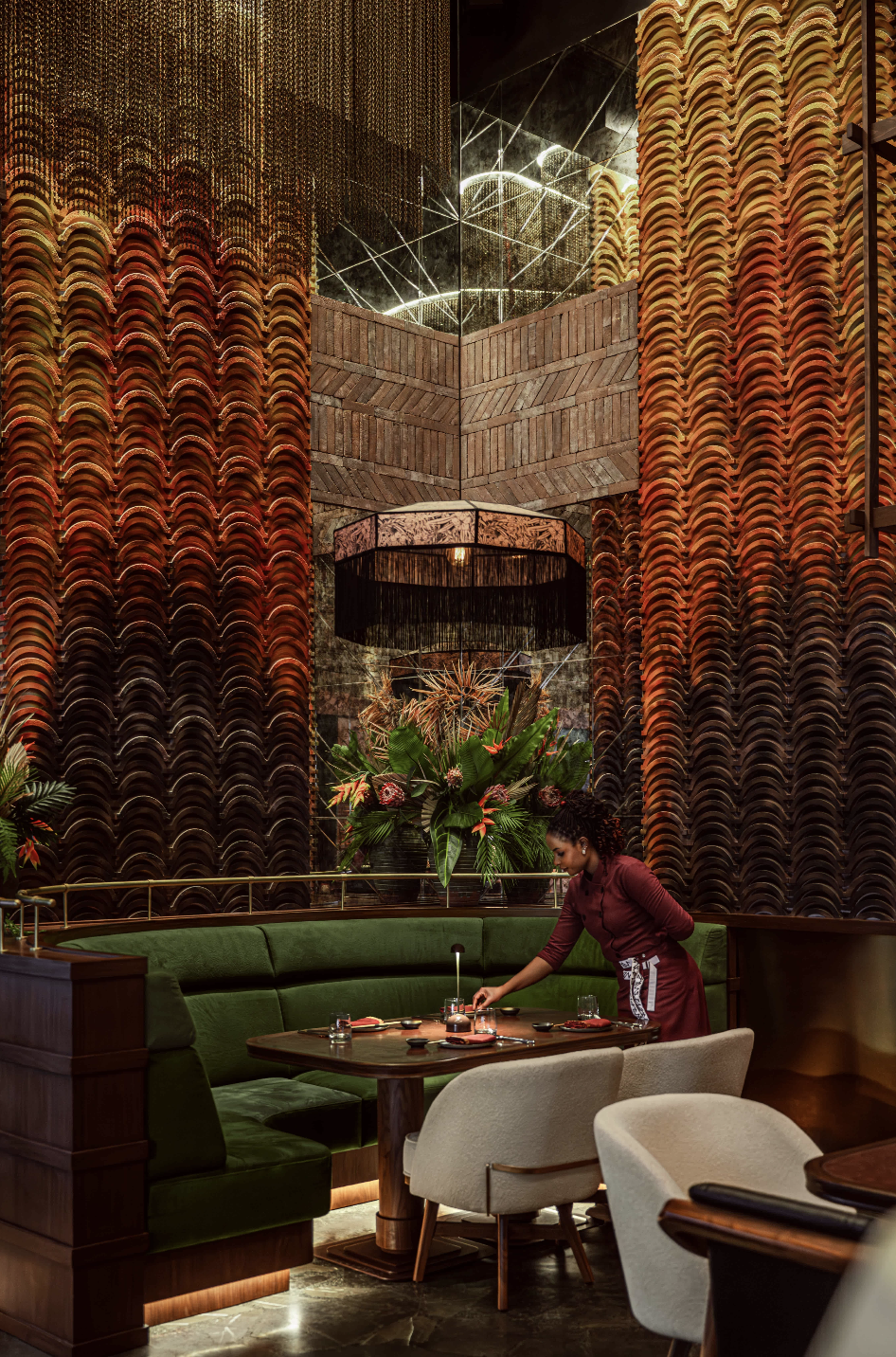
Throughout the project, cultural references are treated less as symbols and more as fragments of a larger narrative. Some are immediately visible. Others reveal themselves over time.
Like Nikkei cuisine itself, the experience is layered. The more time spent with it, the more it reveals.
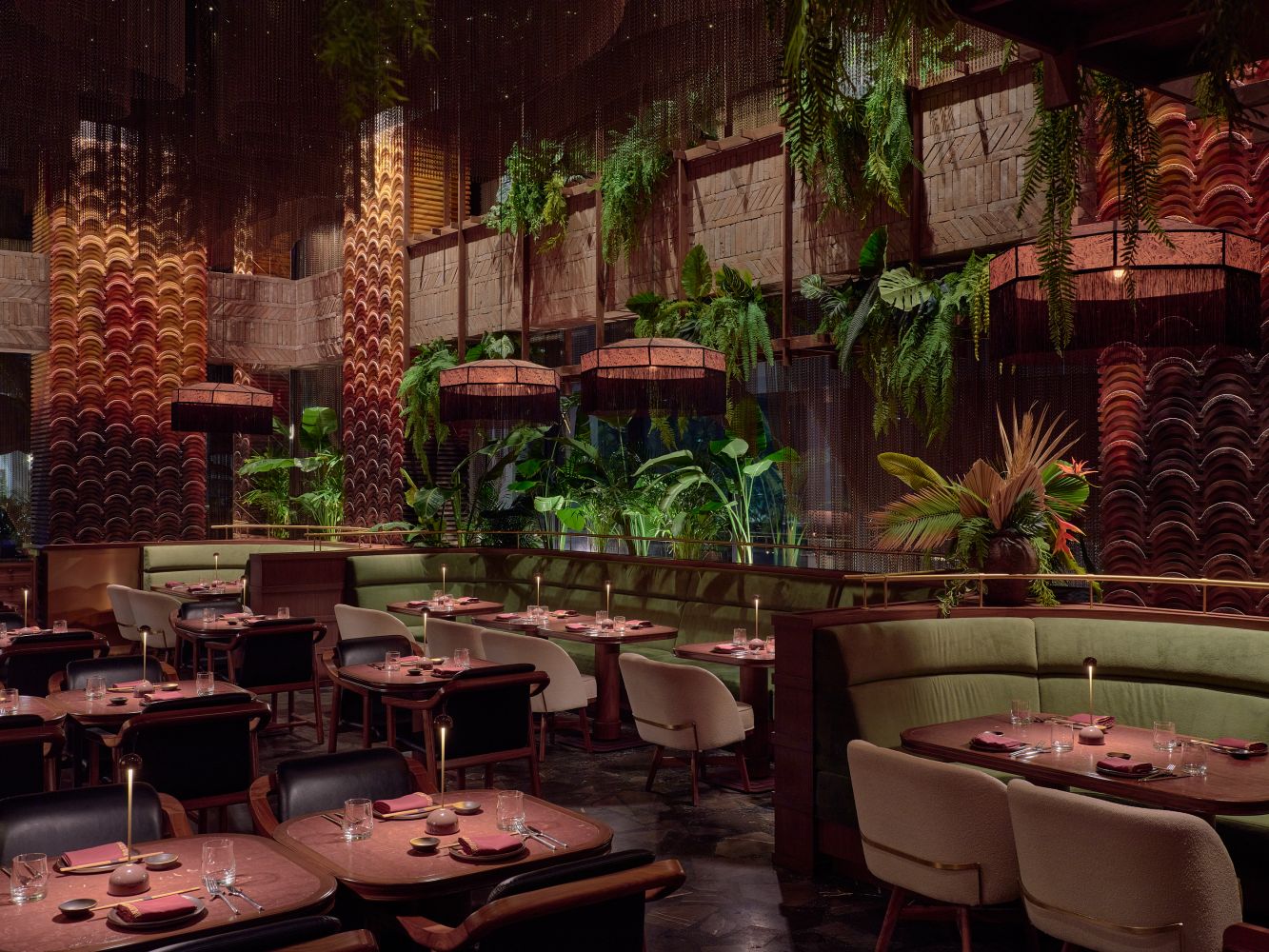
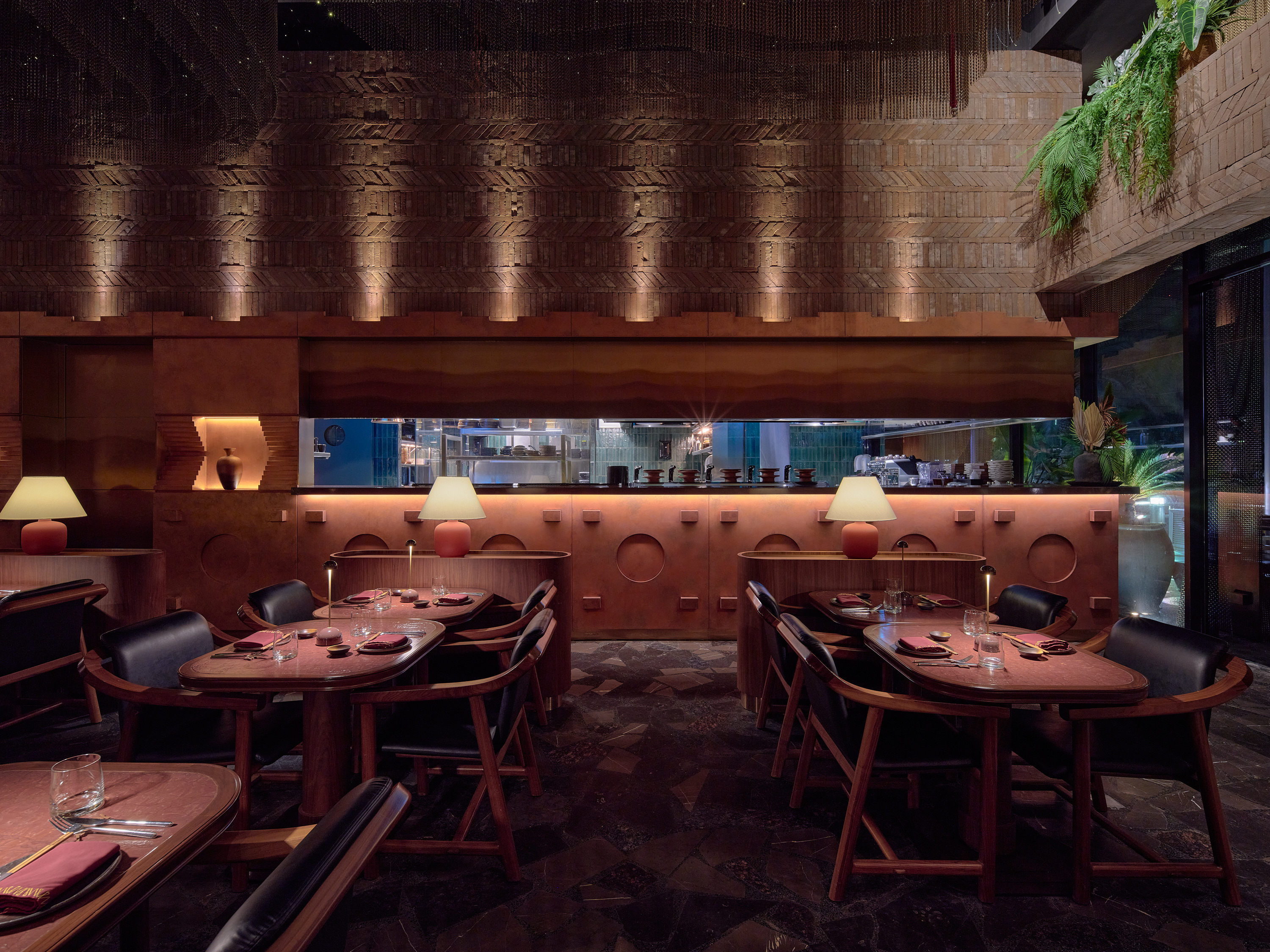
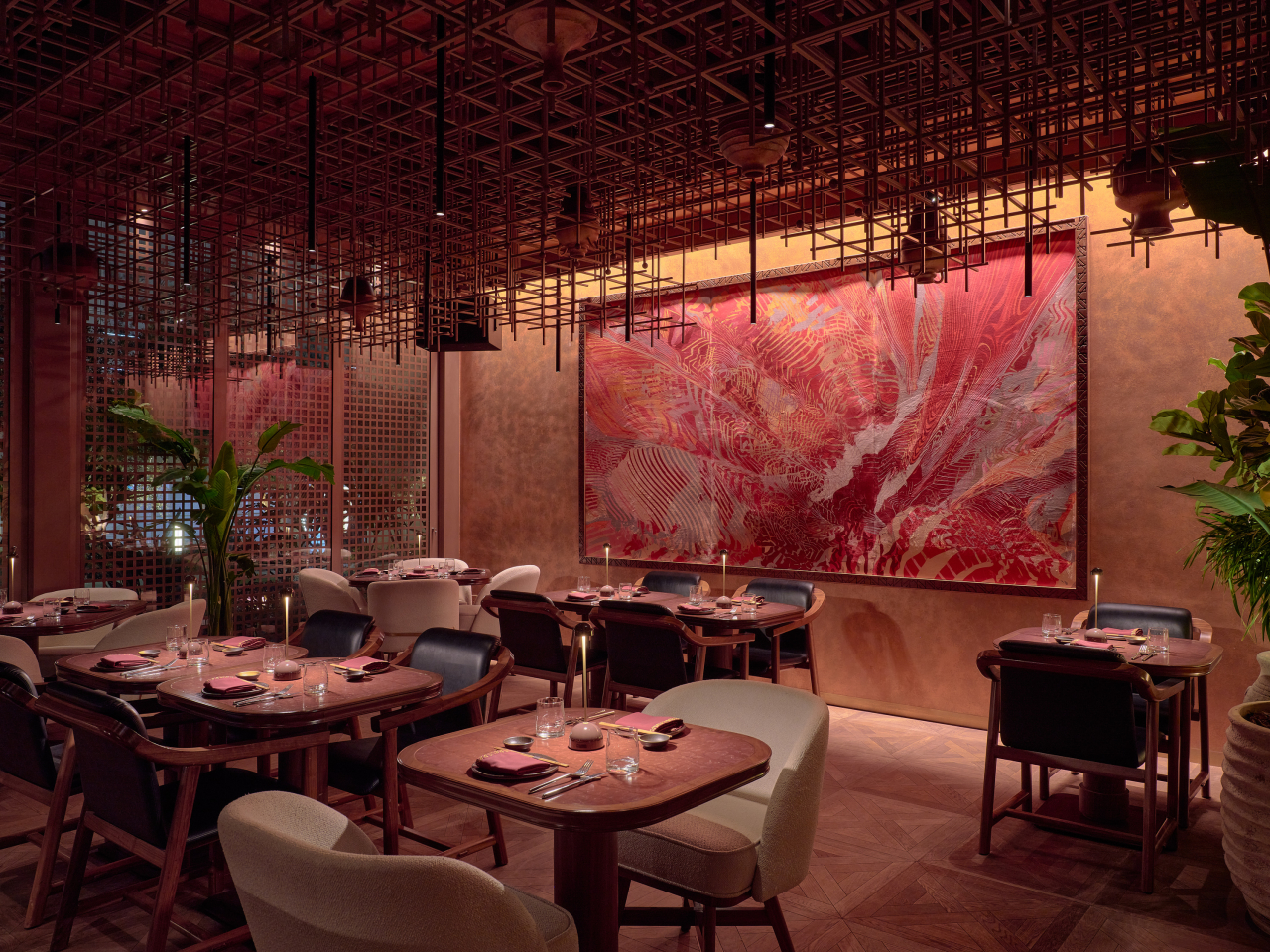
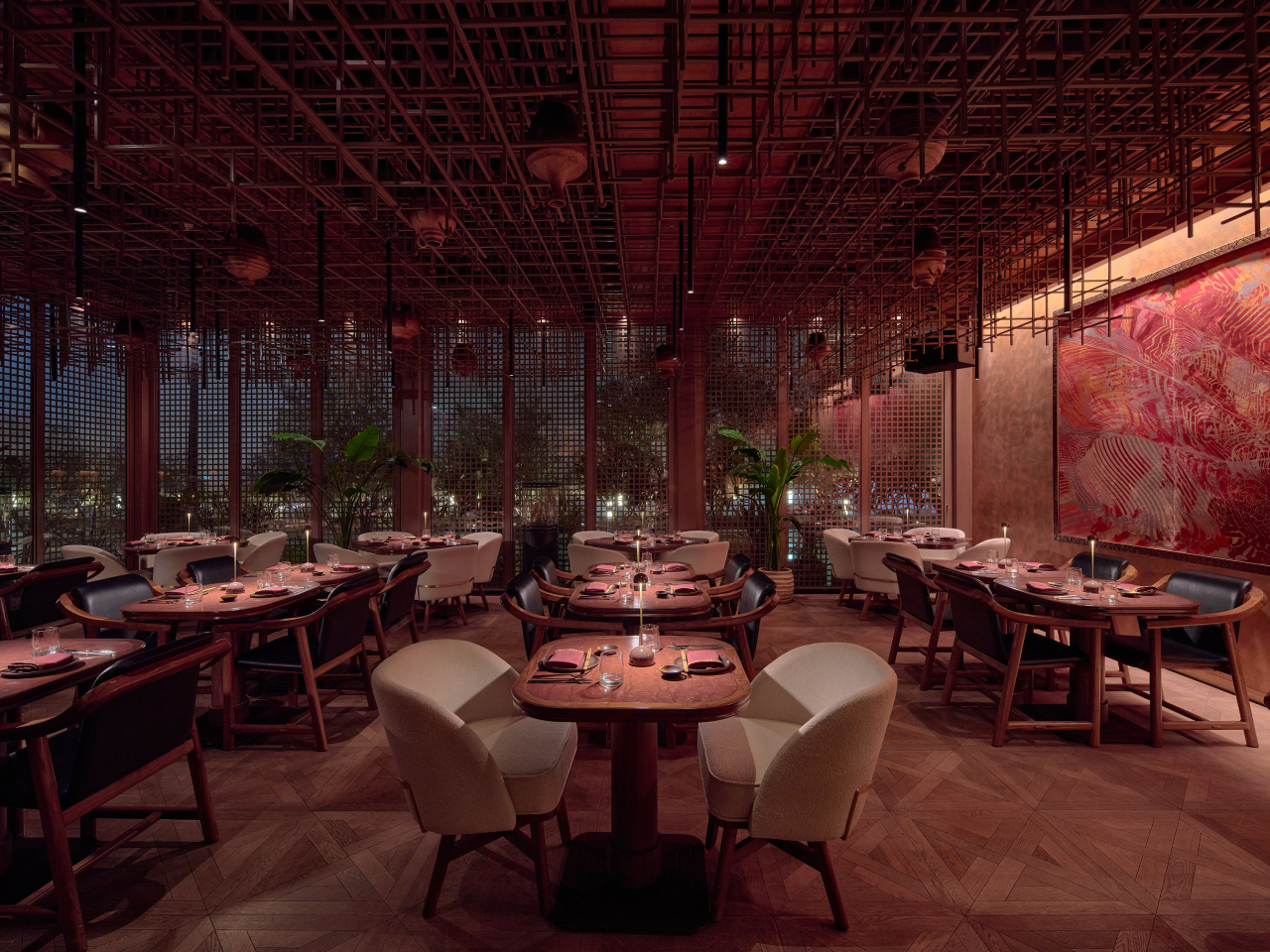
Elsewhere, Japanese joinery traditions inform architectural details, while clay surfaces, textured finishes and handcrafted objects introduce warmth and tactility. References are embedded rather than displayed. They exist to enrich the experience, not explain it.
The result is a space that rewards curiosity.
A restaurant that feels culturally rich without becoming thematic. Contemporary without feeling detached from its origins. Global in outlook yet grounded in a specific story.
Like Nikkei itself, Mizu Mesa is ultimately about what becomes possible when different worlds come together.
Not a fusion of cultures.
A conversation between them.
THE DESIGN
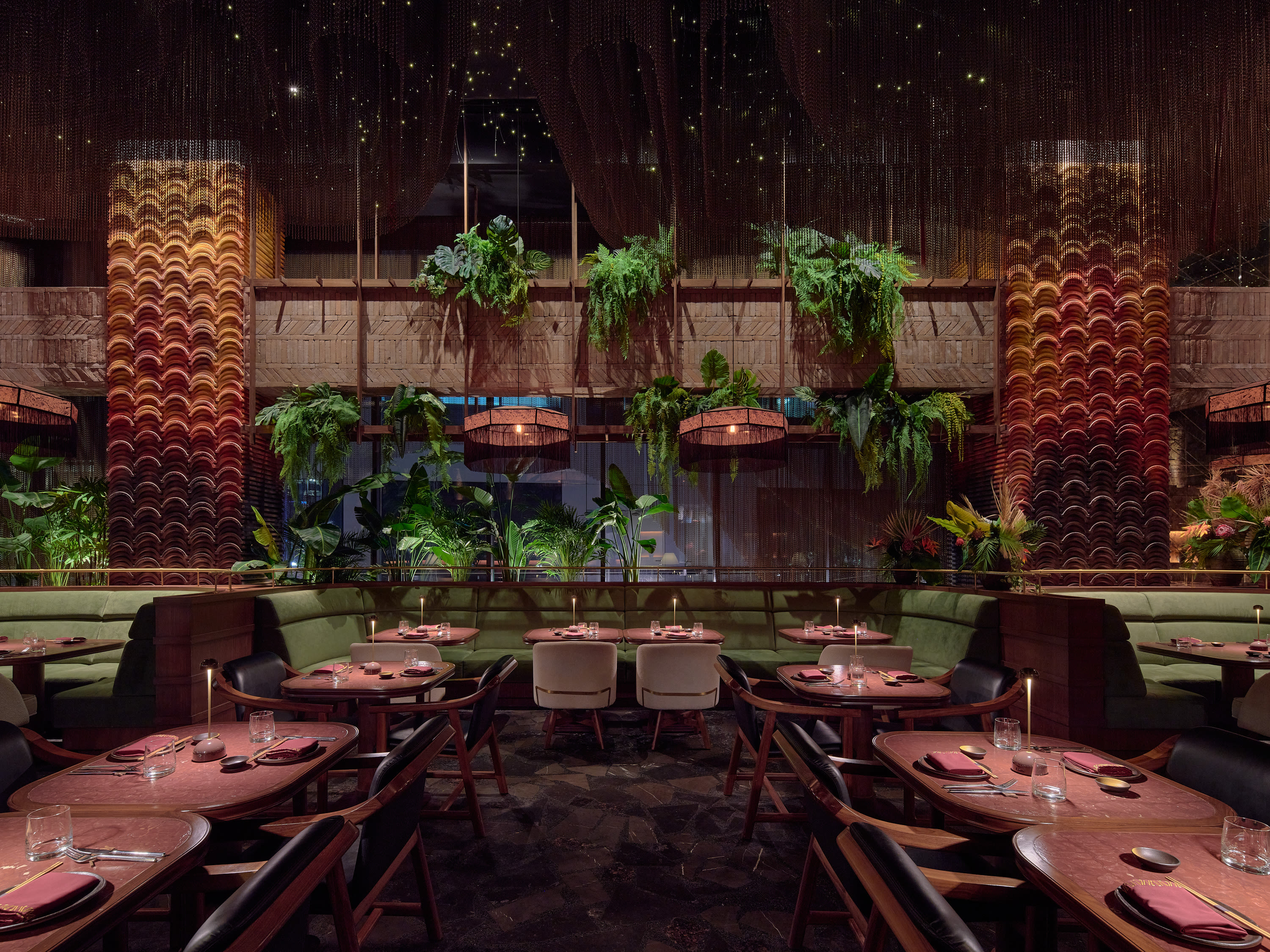
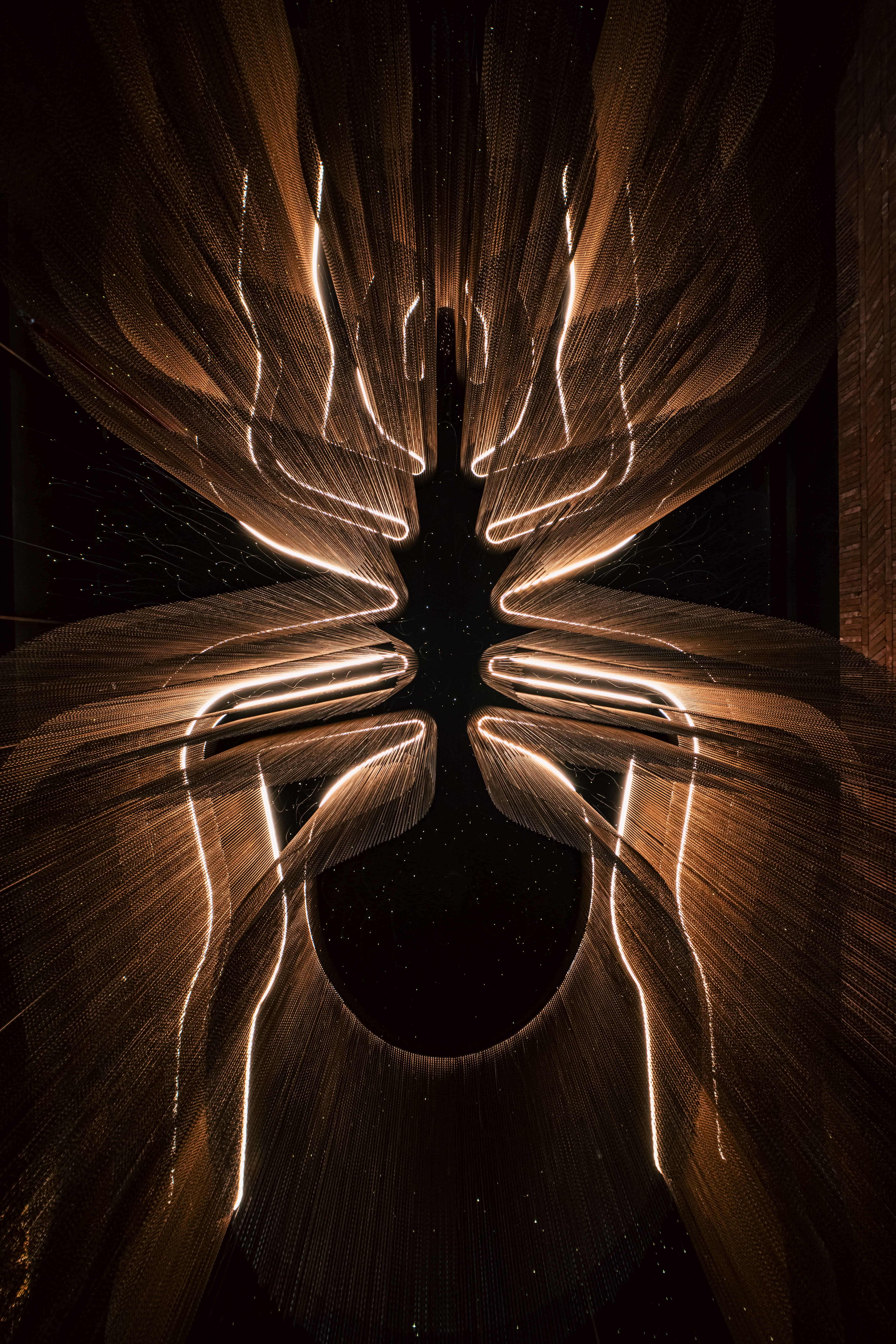
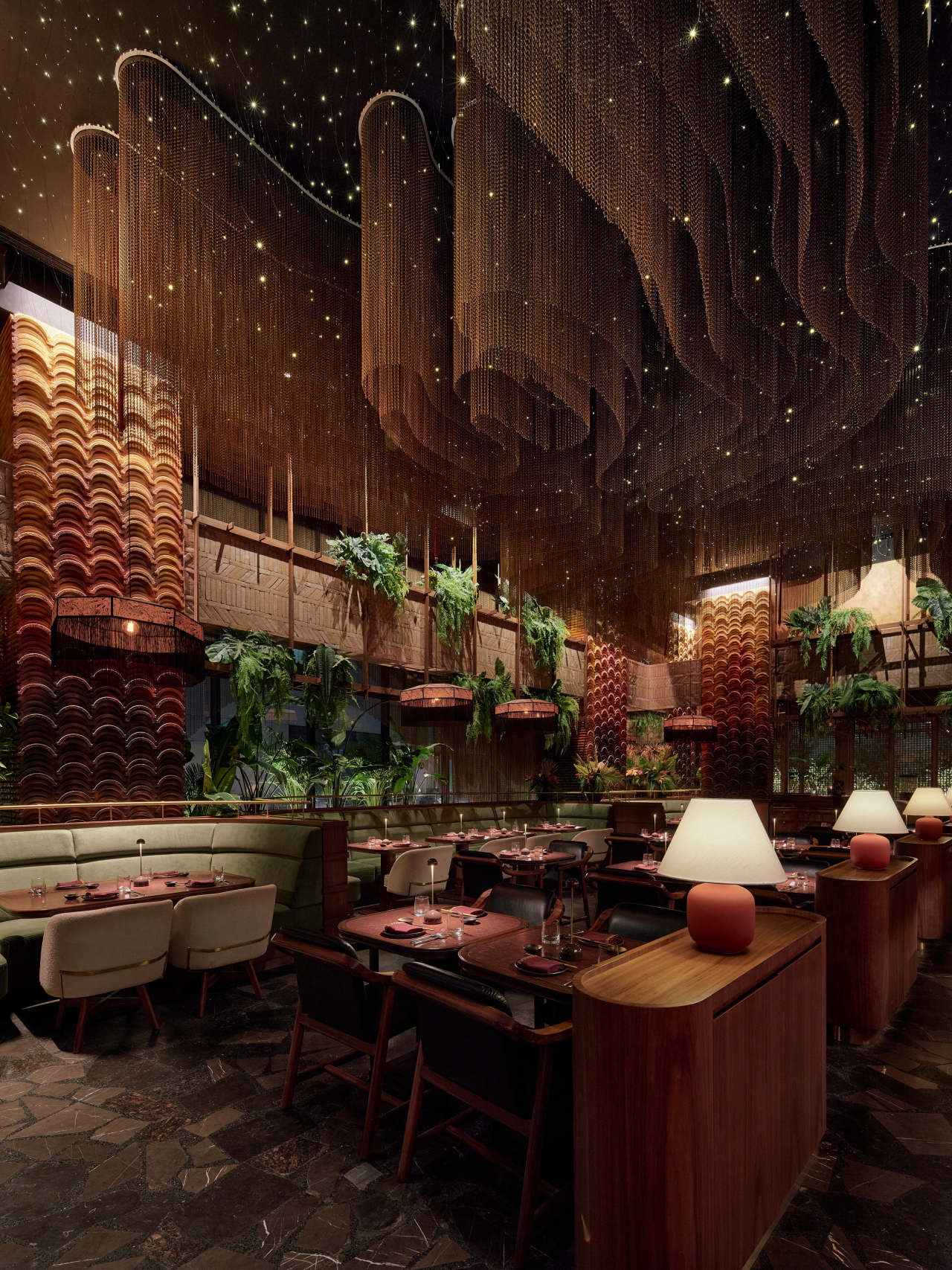
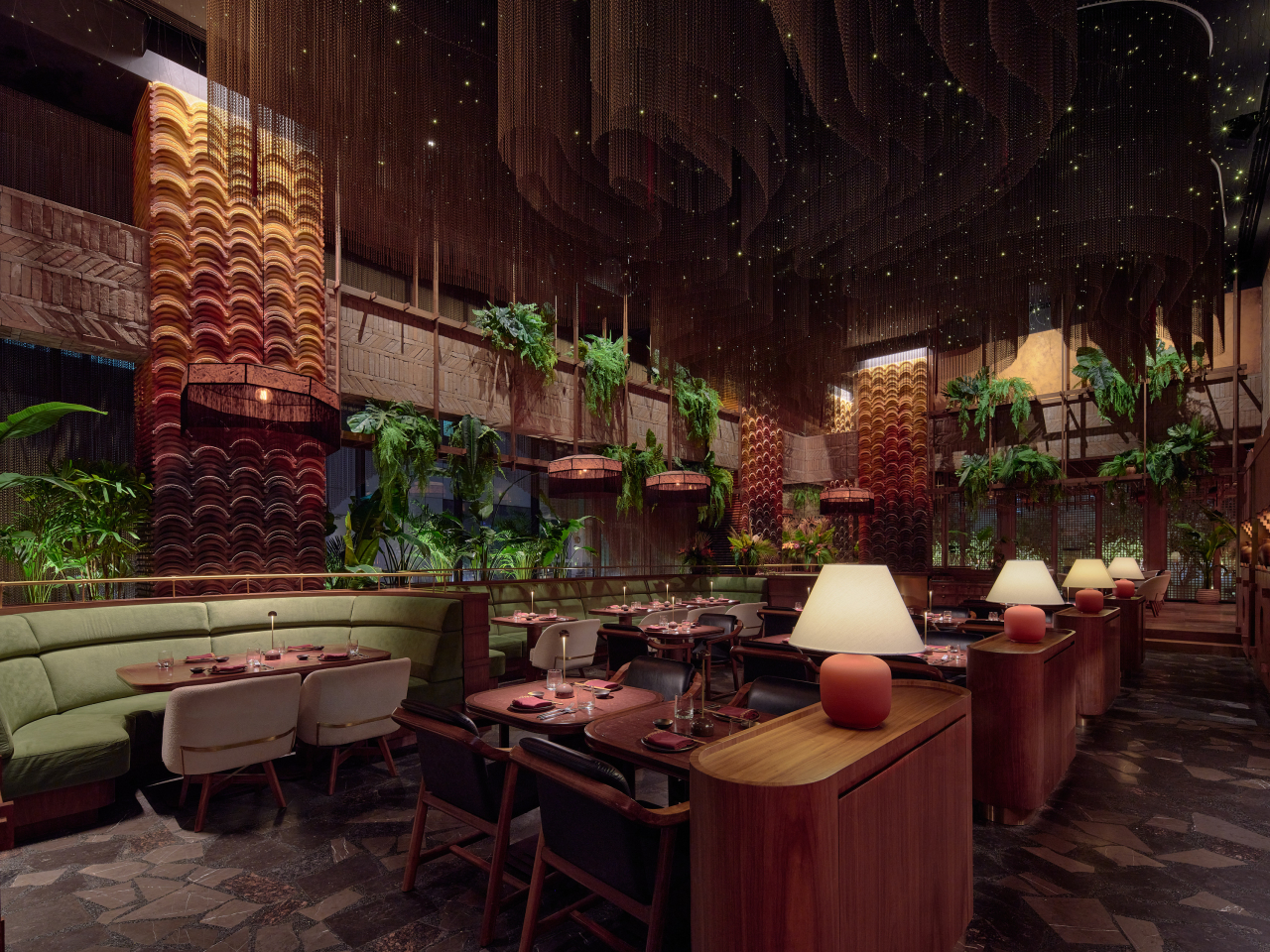
At the centre of the restaurant, a suspended installation of cascading chains hovers above the dining room.
The piece draws inspiration from the Nazca Spider, one of the most recognisable geoglyphs found within Peru's ancient desert landscape. Created centuries ago and visible only from above, the figure remains both iconic and enigmatic, its meaning still debated today.
That sense of mystery became part of the design response.
Rather than reproducing the symbol literally, the installation transforms it into a contemporary spatial gesture. Throughout the day, shifting light changes its appearance, creating an ever-changing interplay of movement, depth and shadow.
The piece never appears exactly the same twice.
Scope
Concept Direction, Spatial & Interior Design, Branding
Our Partners
General Contractor: Dahan
Lighting Design: Skyelume
Sonic Branding: Sonhouse
Styling & Greenery: Aces Studios
Photography Credits
Mohammad Ashkanani
Mizu Mesa
For better web experience, please use the website in portrait mode